Independent patient education. Not medical advice or a substitute for professional care.

Emergency? Call 911 in the U.S. or your local emergency number.

Michael Jannicelli — lived experience

How I build my life around Crohn’s.

This is what stopping, rebuilding, planning, and staying connected have looked like for me. It is my experience—not medical advice or a formula for somebody else.

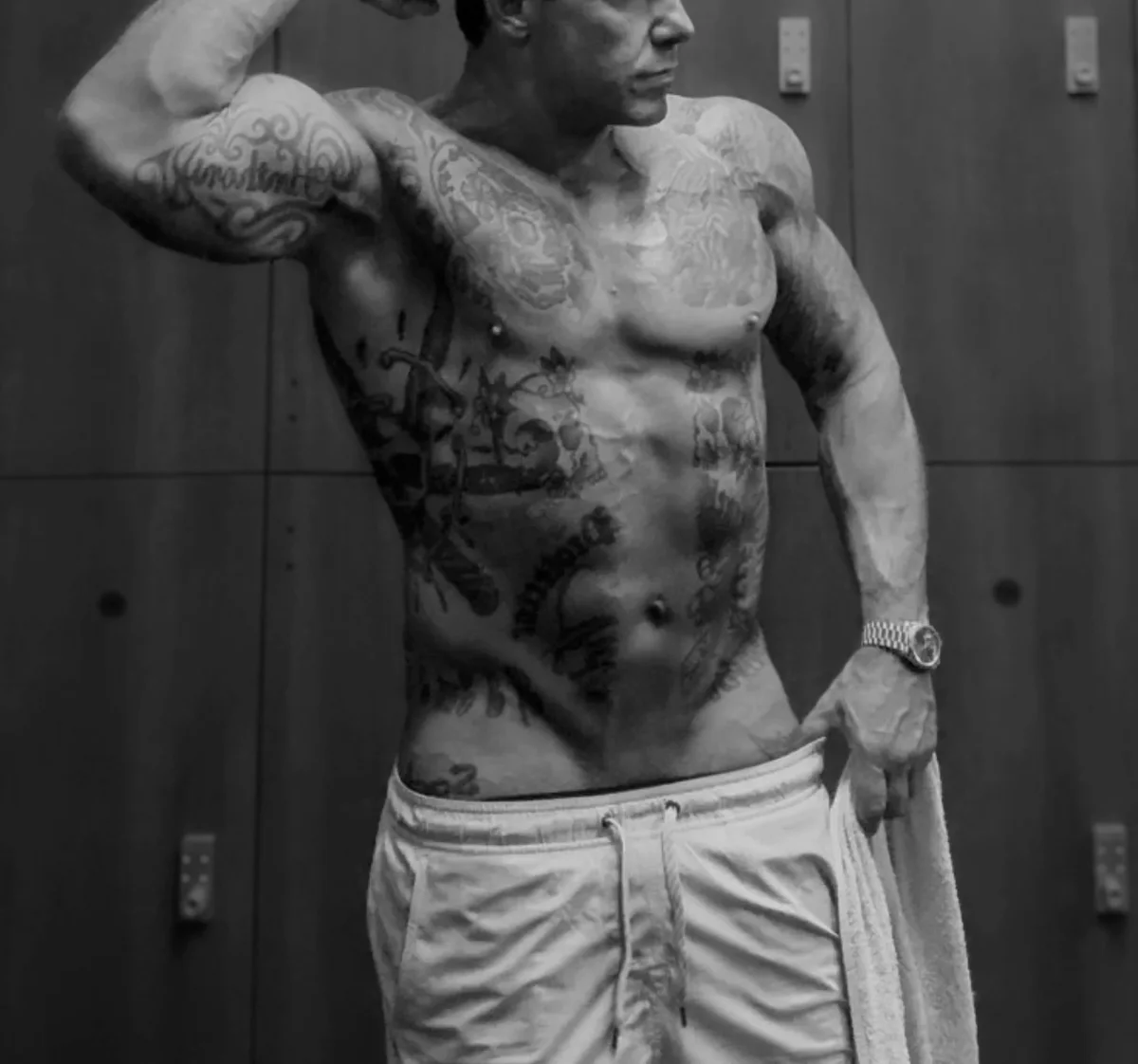
Michael Jannicelli posing in a gym setting

Personal experience

My experience. Not a formula.

Crohn’s has affected how I train, eat, work, prepare, travel, date, recover, and think about an ordinary day. I am sharing what those decisions have looked like for me—not telling somebody else what their body should tolerate or what their care should be.

The clinical and educational pages on Crohn’s Fighters are sourced separately. My role here is to tell the truth about the parts people do not always see.

Michael’s experience

I used to think pushing through made me tough.

Crohn’s can take over fast. At my worst, I have gone to the bathroom more than 20 times a day, dealt with bleeding and intense pain, and kept a pillow and blanket in the bathroom because I was spending so much time there.

I used to push my training and eating until my body forced me to stop. It took me years to understand that backing off is not quitting.

When I notice changes that, in my experience, may precede a flare, I pull back. I stop training and simplify my routine. White sticky rice has been one of the foods I personally tolerate best. That is my experience—not a Crohn’s treatment or a universal eating plan.

Once I have recovered enough to return, I rebuild slowly. My first week is about moving again—not chasing old weights. I reduce the workload, use lighter weight, and gradually reintroduce food based on what I can tolerate.

I have rebuilt more times than I can count. Recovery is not the time to prove that the flare did not affect you. It is the time to respect what your body has survived and rebuild without losing more ground.

Work and responsibility

From the outside, I looked ready.

There is one workday I remember clearly because, from the outside, I was trying to act like everything was normal. It wasn’t.

I was 24 and running Socko Energy Drink. We were flying to Bentonville for the biggest retail presentation I had ever given. We were meeting with Walmart, and Hulk Hogan, Eric Bischoff, and Jason Hervey were traveling with us. I had to explain how the program would work, how everything would flow, and who would be responsible for what.

Just before we boarded the private jet, pain nearly brought me to my knees. There was one small bathroom on the plane. The thought of Crohn’s attacking me in front of all those people embarrassed me. I told everybody I had forgotten something and ran back inside. In the bathroom, I started bleeding.

I got back on the plane. Jason could tell something was wrong. I told him what was happening, and he asked what we needed to do. I told him, “Nothing. We’re not going to change one damn thing.”

During the flight I kept thinking about whether I might bleed through my clothes and how I could hide it if I did. What scared me was not only the pain. I was afraid everybody would look at me like I was weak or unable to do the job.

After we landed, there was a large lunch and meet-and-greet before the presentation. People saw me taking photographs, representing the company, and doing what I was there to do. They did not see how much of that day I spent trying to hold myself together.

I was afraid they would think I could not do the job.

Body image and confidence

There were times I didn’t recognize the person in the mirror.

Body image has been one of the hardest parts of Crohn’s for me because I have spent so much of my life training. There have been times when I looked in the mirror after being sick and did not recognize the person looking back at me.

During one long hospitalization at Cedars-Sinai in Los Angeles, I was going to the bathroom 24 to 26 times a day, bleeding, and unable to keep fluids down. I also developed a C. difficile infection and the isolation precautions that came with it. At my lowest point, I had lost more than 30 pounds. I regained some before leaving, but I was still about 20 pounds below where I started.

I did not want photographs or visitors. I felt physically weak, and I thought I looked weak. For the first few days of recovery, I avoided the mirror because dwelling on what I had lost made everything harder mentally.

My fiancée at the time stayed with me, did my hair, and made me feel like a million bucks. She made me feel like myself when I did not feel like myself at all.

People see my body now and see strength. They do not see all the versions of that body Crohn’s has taken away and forced me to rebuild.

Since I was young, training has been one way I gave myself something to return to after a flare. That is the story I told myself: build while I can, because I may have to rebuild again. Training did not prevent my flares or treat Crohn’s. It gave me a familiar place to begin again.

Recovery after the crisis

The worst is over. You are nowhere near normal yet.

The first day home from the hospital, I usually shower and put on clean clothes. Then I set up a place where I can rest, put fluids nearby, and make food I personally know I have tolerated before. For me, that has often included Japanese white sticky rice. That is my routine—not a food recommendation or treatment for somebody else.

The first week is not a comeback. It is rest, sleep, keeping food and fluids down, and letting my body recover. I do not work out. I watch television, do homework if I have school, and add a little more food when I feel able.

I may avoid the mirror for the first few days. I used to dwell on how sick I looked. I learned that staring at everything I had lost only made the mental part worse.

My sleep, mood, and concentration can also be affected by the flare, the hospital stay, pain, and the medications involved in my care. I may be irritable, exhausted, or simply not much fun to be around. Sometimes I need fewer people around me and time before I feel clear again.

Each day, I try to do a little more. Recovery is not the dramatic hospital crisis, and it is not the full comeback. It is the in-between period people rarely see.

Michael Jannicelli and an AI-generated woman walking side by side on a beach
AI-generated woman; illustrative only.

Helpful support

Know when to stay close. Know when to give me space.

The best support I have received did not make me feel helpless. My fiancée at the time knew when to talk to me, when to push me, and how to make me feel confident. My mother would fly out. My brothers were there. I had people who could stay close while still letting me have a say in what I needed.

Sometimes help means company. Sometimes it means sleep, quiet, or fewer people in the room. What helps most is somebody who asks what I need, listens to the answer, and does not turn every moment into another explanation.

When I am sick, I can mentally check out a little. Knowing that the people around me care—and that they will not take away my independence—makes a real difference.

How I build my day around Crohn’s

A normal day still requires a plan.

When I’m not in a flare, Crohn’s is still part of almost every decision I make.

01

Food and routine

I have foods I personally avoid because I have repeatedly noticed pain, discomfort, or other symptoms after eating them. That list comes from learning my own body over time. It is personal to me—not a universal Crohn’s diet.

My meals stay extremely consistent, partly because of Crohn’s and partly because of weight training. I normally begin with tea or coffee and give my body an hour or two to wake up. My first meal is protein-focused, usually whey isolate mixed with non-fat Greek yogurt, oats, or a banana. I continue eating prepared meals throughout the day.

That is my current routine—not nutritional advice for someone else.

02

Before I leave

I usually use the bathroom before leaving home. I also know where the bathrooms are everywhere I plan to go.

My bag always contains two pairs of underwear, two shirts, two pairs of shorts, two pairs of socks, toiletries, and anything I might need if the day unexpectedly ends at the hospital.

Not one change of clothes. Two.

03

Food away from home

I try to keep a cooler in my car and pack enough meals for the day. It is not always convenient or realistic, but consistency gives me one less variable to worry about.

If I have a lunch meeting, I may bring my own food. Sometimes I eat it at the restaurant. Other times I order something simple, such as coffee or tea.

I explain Crohn’s to people early. I would rather tell someone what is happening than have them misunderstand later. There is nothing to be embarrassed about.

Most people grab their keys and leave. I leave knowing where the bathrooms are and carrying enough with me to handle the possibility that the day goes completely differently than planned.

I monitor my stomach 24/7. I literally don’t know how to turn it off.

Relationships and intimacy

Don’t make the decision for them.

Tell them the truth. Then give them the chance to decide for themselves.

I would tell them: don’t make that decision for the other person before they even get the chance to know you.

Crohn’s does not make you less lovable. It does not make you weak. It does not mean you are too much to deal with.

There are going to be uncomfortable moments. Plans may change. You might spend an hour in the bathroom. You may have to cancel a date, change a trip, or say, “Tonight just isn’t going to work.”

Those moments can be difficult, but they do not erase the bigger life you can build.

Tell them what Crohn’s looks like for you. Tell them what can happen, what helps, and what you may need.

Don’t hide everything because you’re afraid somebody is going to run. Give them the chance to be there for you. Then let them decide for themselves.

If somebody cannot accept that part of your life, maybe they are not the person you need beside you. That does not make you any less deserving of love.

You still deserve to date. You deserve intimacy. You deserve to travel, laugh, fall in love, have sex, and build a life with somebody. You may need to plan differently, and that is completely okay.

Let them see you—all of you.

Don’t be ashamed of your body for doing something you cannot control. Don’t hide yourself because you’re afraid somebody might see the difficult side of Crohn’s.

You may be surprised by how many people don’t run. Some of them actually come closer.

Don’t forget it.

Michael Jannicelli walking with his arm around an AI-generated woman on a beach
AI-generated woman; illustrative only.
Michael Jannicelli with his arm around an AI-generated woman on a beach
AI-generated woman; illustrative only.

Lived-experience questions

Ask Mike J.

Ask about living with Crohn’s—not individual medical care.

Training. Work. Travel. Relationships. Intimacy. Confidence. Recovery. The dedicated Ask Mike J. page is where the questions people do not always ask out loud can be answered from lived experience.

Read featured answers or send Mike a lived-experience question. The inbox does not diagnose symptoms, recommend treatment, respond to emergencies, or accept private medical records.

Visit Ask Mike J.Read the medical boundary →

Lived-experience page reviewed August 10, 2026. New answers require editorial approval before publication.